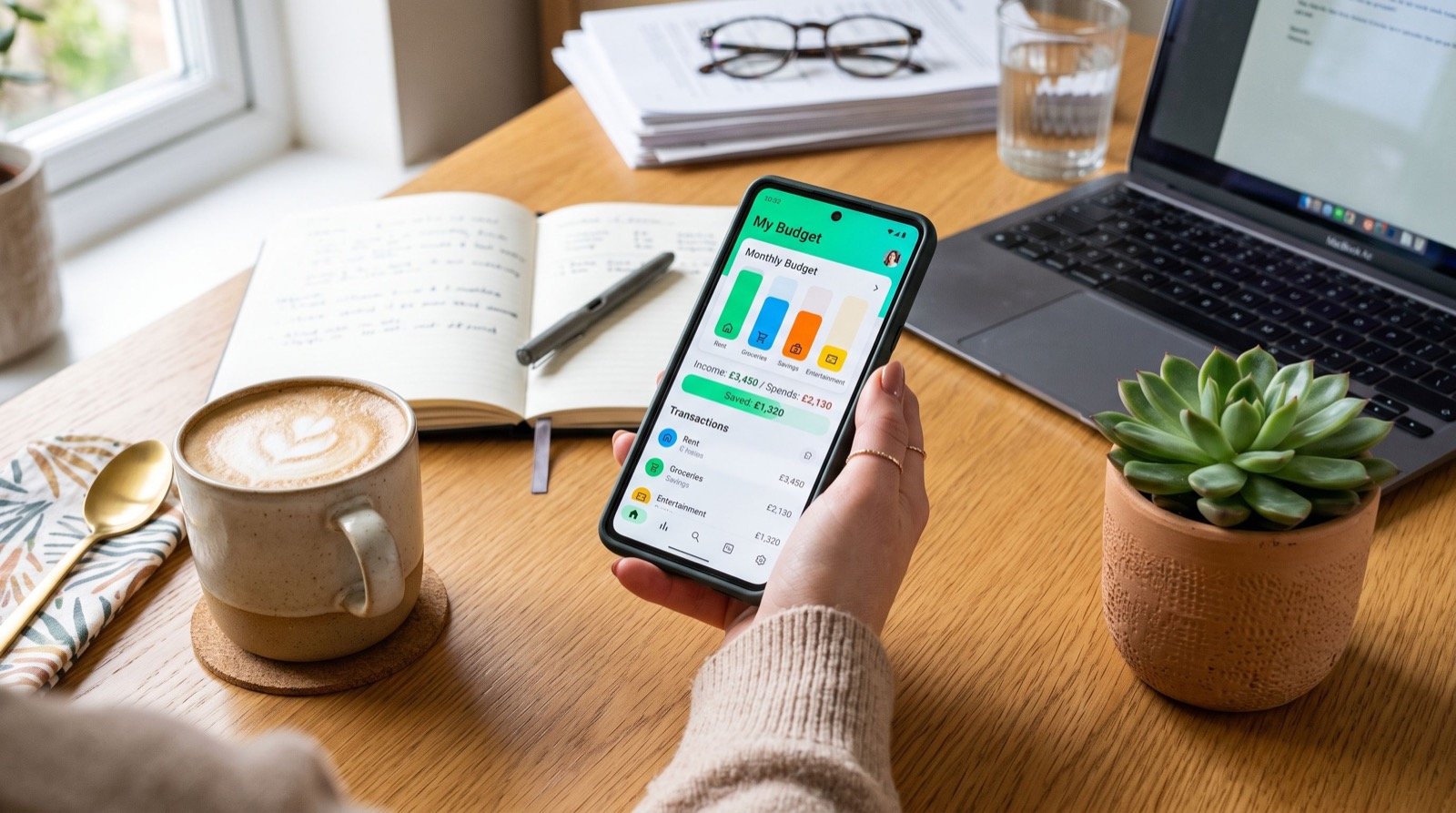
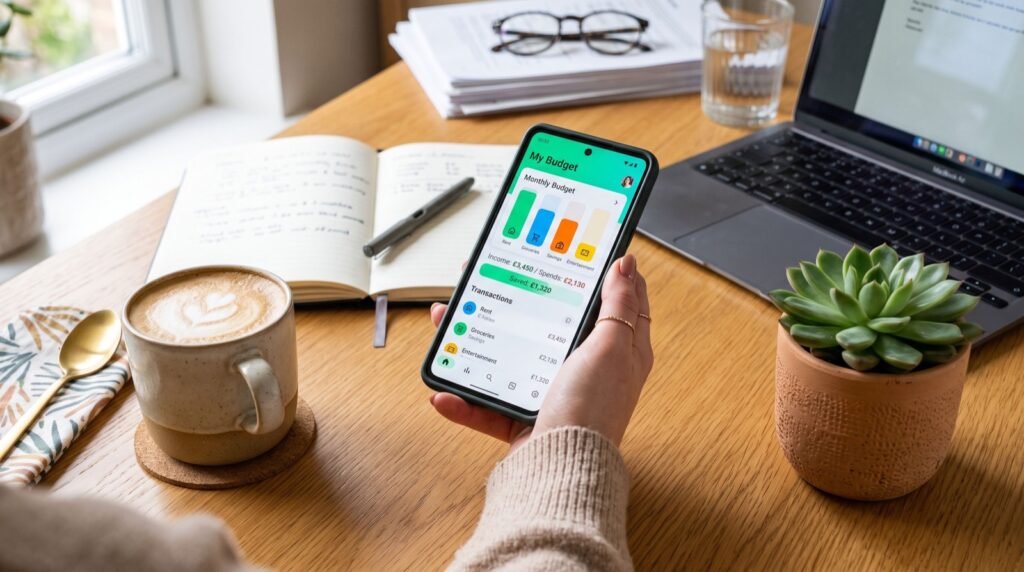
Getting a real handle on your finances doesn’t require a finance degree, a strict spreadsheet, or hours of budgeting every week. It just requires the right tools and a few good habits, most of which can run quietly on your phone. Modern money apps track your spending automatically, nudge you to save, and show you exactly where you stand at any moment. This shifts money management from a stressful chore into something almost effortless. In this guide, we’ll show you how to put your money to work for you, using simple tools and habits that anyone can adopt.
From splitting a dinner bill to building an emergency fund, your phone can now handle almost every part of your financial life. The challenge isn’t a lack of tools – it’s knowing which apps and habits actually make a difference versus which just add clutter. The truth is that a handful of well-chosen apps, combined with a few consistent habits, can transform how you spend, save, and feel about money. You don’t need to overhaul your whole life overnight. This guide focuses on the simple, high-impact changes that genuinely move the needle on your financial wellbeing.
Pick the Right App for You
There’s no single ‘best’ money app – only the best one for your particular needs and goals. Someone focused on budgeting needs different features than someone who mostly sends payments or wants to automate savings. Matching the tool to your specific goal makes all the difference between an app you actually use and one you download and forget. Take a moment to think about what you most want to improve – visibility, saving, spending, or payments – and choose accordingly. The right app fits naturally into your life and habits, which is exactly what makes it effective rather than just another icon on your phone.
Build a Budget That Sticks
A budget only works if it actually fits your real life – overly strict budgets tend to collapse within weeks. The best budgeting apps help you set realistic, personalized limits based on your genuine spending, then gently keep you on track with reminders and progress updates. Instead of feeling like a punishment, a good budget becomes a helpful guide that gives every dollar a purpose. This shift in mindset, from restriction to intention, is what makes a budget sustainable. When your budget reflects how you truly live and spend, sticking to it stops being a battle and starts being a natural part of your routine. A good roundup of personal finance tips makes all of this simple.
Send Money in Seconds
Peer-to-peer payment apps have made moving money between people effortless. Splitting a bill, paying back a friend, chipping in for a group gift, or sending money to family now takes just a few taps – no cash, no checks, no waiting. This convenience removes a surprising amount of everyday friction and those awkward ‘I’ll get you back later’ moments. The key is choosing the right app for your needs and understanding how each one works, including any fees and transfer times. Used wisely, these tools make managing shared expenses and everyday payments quick, simple, and completely stress-free.
Make Money Management a Routine
Getting your finances in order isn’t a one-time event; it’s an ongoing habit. A quick weekly check-in – reviewing your spending, checking your goals, and catching any surprises – keeps you firmly in control and stops small problems from snowballing into big ones. Building this brief routine into your schedule, perhaps alongside something you already do each week, makes it stick. Over time, staying on top of your money becomes second nature rather than a source of stress. This small, consistent attention is what separates people who feel calm and in control of their finances from those who feel constantly anxious about them. Consistency and smart choices count across the board, including with trusted professionals.
Automate Your Savings
The easiest and most reliable way to save is to never see the money in the first place. Apps that automatically move a small amount into savings each week or round up your purchases turn saving from a constant act of willpower into something that simply happens in the background. Because the transfers are automatic and small, you barely notice them – yet over months and years they quietly add up to a meaningful cushion. This ‘set it and forget it’ approach removes the temptation to spend what you meant to save. For anyone who struggles to save manually, automation is a genuine game-changer.
See Where Your Money Goes
You can’t fix what you can’t see, and for most people the biggest obstacle to better finances is simply not knowing where their money actually goes. Budgeting apps solve this instantly by automatically tracking your spending and sorting it into clear categories – groceries, dining, subscriptions, and more. For many users, it’s the first time they’ve seen an honest, complete picture of their financial life. That clarity alone often changes behavior, because it’s hard to overspend on takeout once you see the yearly total. Visibility is the essential first step, and modern apps deliver it with almost no effort on your part. For simple, stress-free finances, it’s worth considering best money apps.
Key Takeaways
- Pick the Right App for You: There’s no single ‘best’ money app – only the best one for your particular needs and goals.
- Build a Budget That Sticks: A budget only works if it actually fits your real life – overly strict budgets tend to collapse within weeks.
- Send Money in Seconds: Peer-to-peer payment apps have made moving money between people effortless.
- Make Money Management a Routine: Getting your finances in order isn’t a one-time event; it’s an ongoing habit.
- Automate Your Savings: The easiest and most reliable way to save is to never see the money in the first place.
- See Where Your Money Goes: You can’t fix what you can’t see, and for most people the biggest obstacle to better finances is simply not knowing where their money actually goes.
The Bottom Line
The best financial tool is ultimately the one you’ll actually use. Pick apps that fit naturally into your life, automate the boring parts, and let small, steady habits build real security over time. You don’t need a dramatic change or a bigger paycheck to make progress – just the right tools and a little consistency.
Taking control of your money doesn’t have to be complicated or stressful. With the right apps and a few simple habits, you can spend smarter, save more consistently, and finally feel genuinely in charge of your finances. Start small, stay consistent, and let technology handle the heavy lifting in the background.